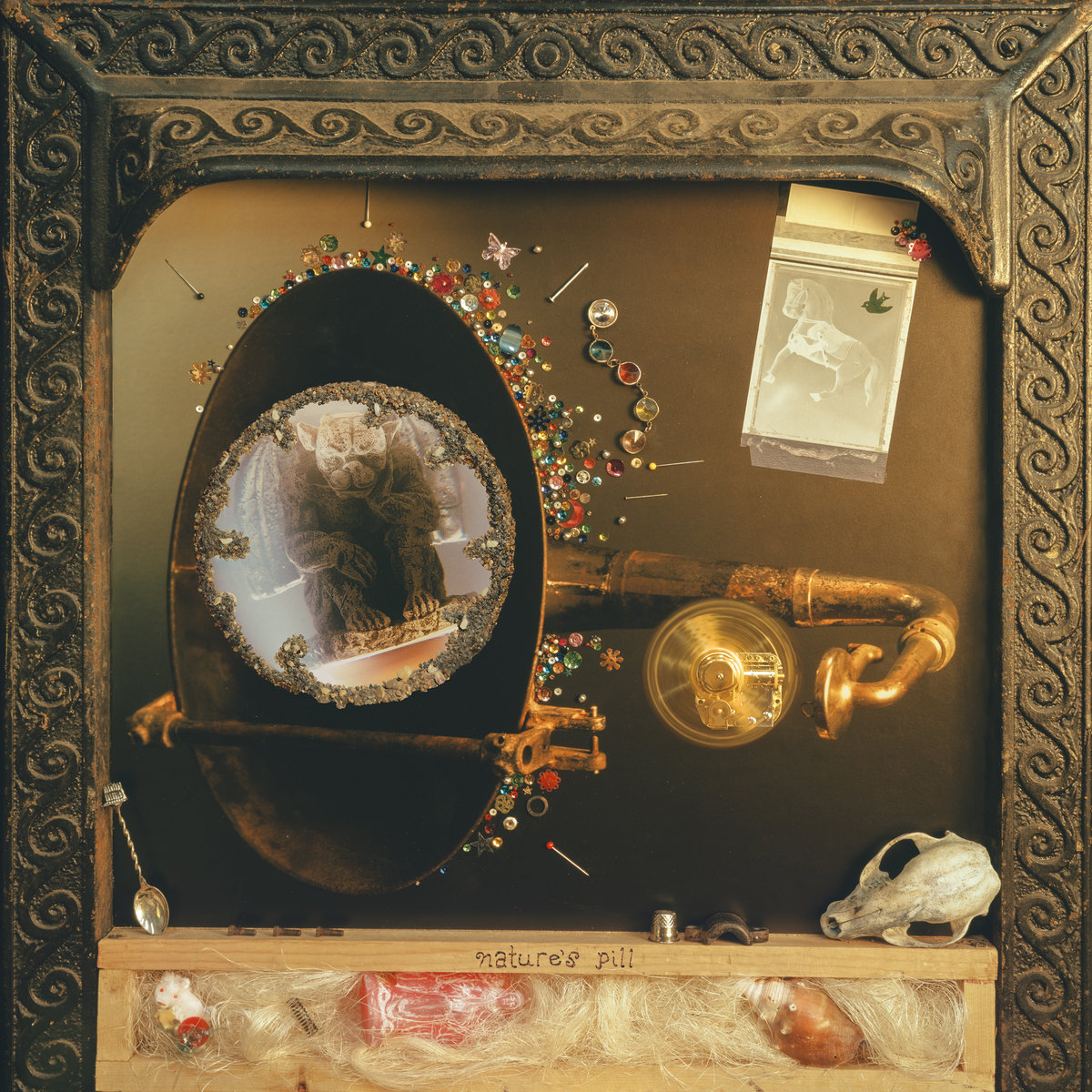


Autista Reframe Melancholy with Distance and Care on Sad Songs – Revisited
From Concepción, Chile, Autista return with Sad Songs – Revisited, an album released on January 28, 2026 that feels less like a new beginning than a deliberate pause to look back. Rooted in dream pop, noise pop, post-rock, and touches of space rock and synth-inflected alternative music, the record revisits earlier emotional terrain with a quieter, more reflective gaze.
Autista is an independent project that emerged in the early 2020s, growing out of a more experimental incarnation known as Proyecto Axolotl. Since then, the project has gradually shaped a sonic universe defined by intimacy, texture, and emotional sensitivity. One of its defining characteristics is the artist’s openness about being autistic, an identity that directly informs the music’s emotional framing, perception of sound, and narrative depth. Rather than functioning as a concept, this perspective subtly shapes the way emotion is expressed, often privileging atmosphere, repetition, and inner movement over traditional song structures.
The title Sad Songs – Revisited signals the album’s intent clearly. This is not a simple compilation or a nostalgic exercise, but a re-engagement with previously written material, approached from a place of growth and distance. The act of revisiting suggests a need to re-hear, re-feel, and reinterpret emotions that once felt immediate or overwhelming. In this sense, the album documents an evolution, not by replacing the past, but by gently reshaping it.
Sonically, the record sits firmly within Autista’s established aesthetic. Textured guitars drift between softness and noise, melodies feel suspended rather than resolved, and arrangements often favour minimalism over density. There is a strong sense of space throughout the album, allowing each sound to linger and resonate. Rather than pushing toward dramatic climaxes, the music unfolds slowly, encouraging immersion and contemplation.
Emotionally, Sad Songs – Revisited carries a subdued melancholy that feels thoughtful rather than heavy. Sadness here is not presented as crisis, but as a state to be observed, understood, and recontextualised. The “revisited” aspect implies that these feelings are no longer raw, but remembered, examined with care, and integrated into a broader emotional landscape. This gives the album a calm, almost meditative quality, even at its most wistful.
The blending of dream pop and post-rock sensibilities plays a key role in this atmosphere. Dream pop contributes softness and emotional warmth, while post-rock elements introduce patience and structure, allowing songs to breathe and evolve organically. Noise pop textures occasionally surface, adding friction and grain, reminding the listener that discomfort and beauty often coexist.
What makes Sad Songs – Revisited particularly compelling is its coherence as an emotional journey. The album feels like a continuous inner monologue, a sonic painting of shifting moods and states of mind. It is music that invites solitude rather than distraction, rewarding listeners who approach it with stillness and attention.
Within Chile’s independent and experimental music landscape, Autista stands apart through sincerity and restraint. The project does not aim for spectacle or immediacy, instead trusting emotional truth, atmosphere, and subtle transformation. Sad Songs – Revisited reinforces that identity, presenting sadness not as an endpoint, but as material for reflection and growth.
Ultimately, Sad Songs – Revisited feels like an act of self-dialogue. By returning to earlier compositions, Autista offers a portrait of how emotions change over time, how pain can soften without disappearing, and how art can serve as both memory and recalibration. It is a quiet, thoughtful record, one that lingers gently and leaves space for the listener to inhabit their own reflections along the way.
© Thusblog