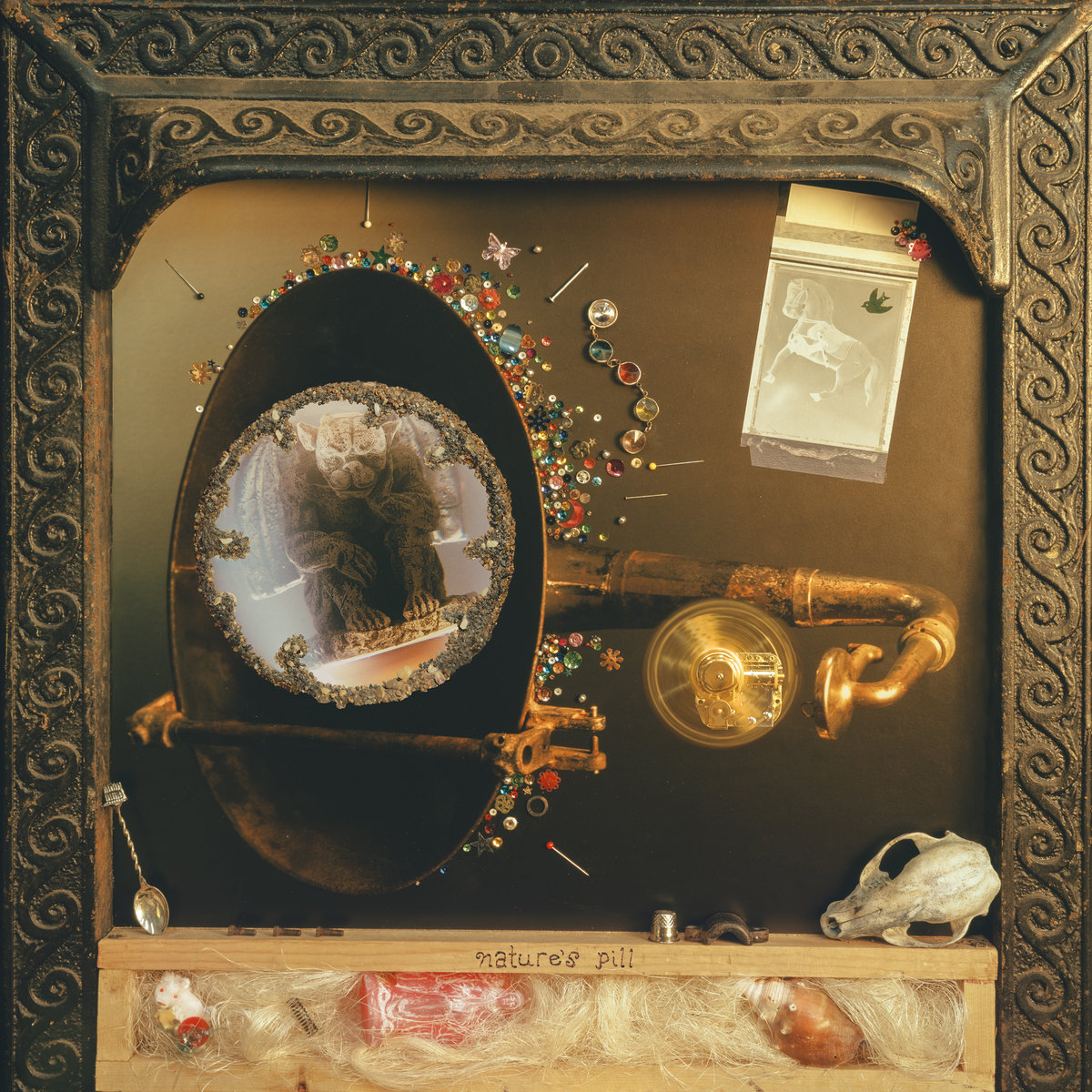


Bleary Blur Emotion and Memory on Little Brain
Coming out of Nashville, Bleary continue to establish themselves as one of the more emotionally resonant names emerging from the modern American shoegaze underground. Blending dream pop, indie rock and melodic shoegaze, the band have steadily built a sound filled with hazy guitars, floating melodies and a deep sense of emotional atmosphere.
Released on May 15, 2026, Little Brain feels like a major step forward for the group. The album expands on the textures and moods that have defined Bleary’s earlier material while pushing further into something warmer, bigger and more immersive. Across the record, shimmering dream pop collides with waves of nostalgic fuzz and emotionally charged hooks, creating a sound that feels both intimate and cinematic.
From the opening moments, Little Brain moves between softness and distortion with remarkable fluidity. Quiet reflective passages suddenly bloom into towering walls of guitars before dissolving back into fragile melodies and drifting vocals. The album constantly shifts between clarity and blur, like memories surfacing and disappearing in real time.
Musically, Bleary clearly draw from the lineage of classic shoegaze and dream pop while keeping one foot firmly planted in modern indie rock. Echoes of Slowdive, Ride, DIIV, Whirr and Nothing can be heard in the album’s layered guitar textures, submerged vocals and dense atmosphere. Yet despite those influences, the band never sound trapped by nostalgia. There is a distinctly contemporary emotional weight running through the record, along with a strong instinct for melody that keeps the songs immediate and memorable.
The title Little Brain perfectly reflects the introspective tone of the album. Much of the record feels centered around anxious thoughts, emotional confusion, fragmented memories and the constant noise of modern life. The songs explore relationships, mental exhaustion and the search for some kind of inner stillness without ever becoming overly dramatic or heavy-handed.
What gives the album much of its power is the contrast between melancholy and comfort. Even during its darker moments, Little Brain carries a strange warmth beneath the surface. The music often feels like driving alone late at night with blurred streetlights reflecting across the windshield, suspended somewhere between sadness and peace.
Production plays a massive role in shaping that atmosphere. Guitars stretch outward in thick waves of reverb and delay while vocals drift softly through the mix like distant thoughts half remembered. Rather than placing every element sharply in focus, Bleary allow the songs to breathe inside a controlled haze, reinforcing the dreamlike quality running throughout the album.
Visually and aesthetically, the band fit naturally into the current revival of shoegaze and dream pop culture. Grainy textures, washed-out colors, analog warmth and nostalgic imagery all seem deeply connected to the emotional identity of the record. There is a strong sense that Little Brain is less interested in perfection than in preserving feeling.
Across the album, Bleary show a growing confidence in balancing emotional vulnerability with sonic intensity. The songs never rely solely on atmosphere. Underneath the layers of fuzz and reverb are carefully constructed melodies and a genuine emotional core that gives the record lasting impact.
With Little Brain, Bleary deliver an album that feels dreamy, melancholic and deeply human all at once. A record built for late-night listening, fading summer memories and moments when reality itself begins to feel slightly out of focus.
One of the most immersive dream pop and shoegaze releases of the year.
© Thusblog
Listen on Qobuz (Hi-res 24 bit)