
Szumy - Układ Słoneczny
The vastness of space has always provided a fascinating source of inspiration for dream pop and shoegaze, two musical genres particularly suited to expressing distance, mystery and the sensation of drifting beyond familiar surroundings. With Układ Słoneczny, released on October 23, 2026, Polish independent project Szumy takes that connection a step further, transforming the solar system into the central concept of an atmospheric journey through nine compositions combining dream pop, indie rock, shoegaze and ethereal wave.
Originally from Szczecinek, in northwestern Poland, and now based in the Baltic coastal city of Gdynia, Szumy was established in 2020. Its name, which roughly translates as noises or rustling sounds, reflects an interest in sonic textures, atmospheric arrangements and the expressive possibilities of experimental guitar music.
Drawing inspiration from the British alternative scene of the 1990s, particularly bands such as Curve, the project has developed a musical identity in which shimmering guitars, ethereal melodies and elements of electronic experimentation coexist within a distinctly independent aesthetic.
Szumy's self-titled debut album, released in December 2022, introduced thirteen compositions exploring anxiety, personal uncertainty and the difficulties of growing into adulthood. This was followed by Glitter in June 2023 and several singles, including “Jupiter,” “Stars,” “Sad Pony Guerrilla Girl” and “Stranger,” gradually expanding the project's atmospheric and melodic approach.
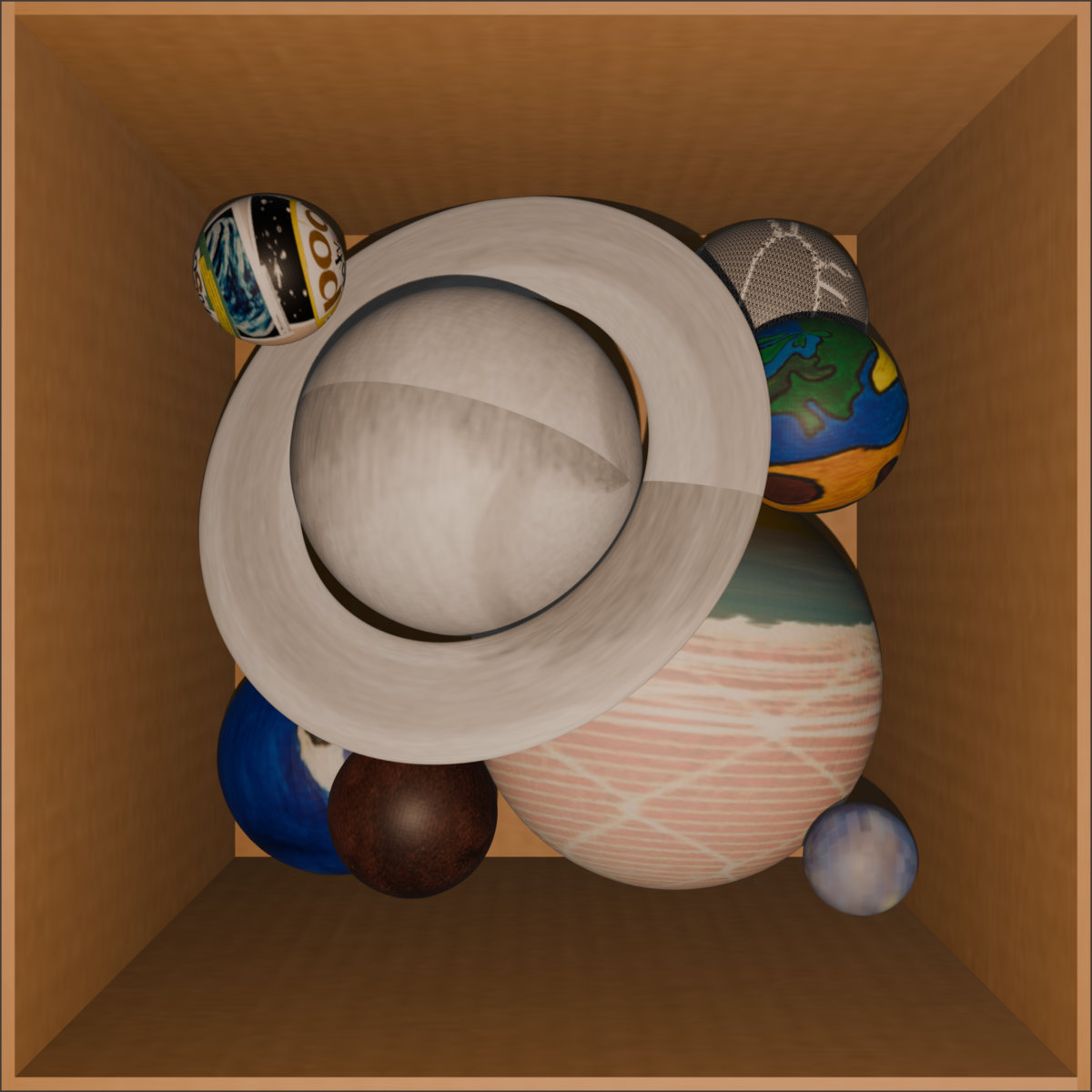
With Układ Słoneczny, whose title translates as Solar System, Szumy introduces a more clearly defined conceptual direction. Across approximately forty-two minutes, the album follows an imaginary journey through the planets, beginning with “Merkury” and continuing through “Wenus,” “Ziemia,” “Mars,” “Jowisz,” “Saturn,” “Uran,” “Neptun” and finally “Pluton.”
This sequence provides the record with a coherent narrative structure, allowing each composition to represent a different celestial world while contributing to a broader exploration of distance, isolation and the unknown.
The decision to include Pluto, despite its scientific reclassification as a dwarf planet in 2006, is particularly revealing. Rather than adhering strictly to contemporary astronomical definitions, Szumy preserves its place within the album's imaginative universe, acknowledging the emotional and cultural significance that this distant world continues to hold.
Musically, the concept provides an ideal setting for the project's combination of dreamlike melodies, textured guitars and atmospheric experimentation. The spacious qualities of shoegaze and ethereal wave naturally complement the imagery of distant planets, while the indie-rock influences introduce a more immediate melodic character.
One of the album's most distinctive compositions is “Saturn,” which, at six minutes and thirty-seven seconds, is both the longest track and the only entirely instrumental piece.
Szumy imagines Saturn as a symbol of solitude, with its surrounding rings representing a form of separation from the rest of the universe. The absence of vocals becomes an intentional part of that interpretation, suggesting a world whose isolation is expressed more effectively through music than words.
“Uran,” released as a single on August 13, 2026, reveals another side of the project's musical influences. Inspired by Curve and the British baggy movement of the late 1980s and early 1990s, the track connects atmospheric alternative rock with rhythmic and electronic experimentation.
Its accompanying video also reflects Szumy's interest in combining music with technology. Created using software developed by the artist, the visual presentation transforms images into ASCII characters in real time, introducing a distinctive digital aesthetic to the album's cosmic imagery.
“Neptun,” released on September 25, has an equally interesting creative history. Its instrumental foundations were composed considerably earlier than the lyrics, demonstrating how Szumy revisits older musical ideas and reshapes them within new artistic contexts.
The album concludes with “Pluton,” bringing the journey to the symbolic outer reaches of the solar system. Its position as the final composition reinforces the sense of travelling progressively farther from familiar surroundings, while suggesting broader ideas of discovery, separation and the attraction of unexplored territories.
Beyond its musical concept, Układ Słoneczny also reflects Szumy's commitment to independent production and thoughtful physical releases.
Alongside its digital availability, including 24-bit/44.1 kHz high-resolution FLAC, the album has been issued in a limited edition of fifty cassettes manufactured using reused materials. Half of the proceeds from this edition are being donated to The Orangutan Project, supporting efforts to protect orangutans and their natural habitats.
This environmental initiative adds another dimension to a record already concerned with humanity's fascination with the wider universe, connecting its imaginative exploration of distant worlds with a practical concern for life on Earth.
What makes Układ Słoneczny particularly interesting is the way its concept brings together several aspects of Szumy's musical identity. The ethereal melodies, shoegaze textures, alternative-rock influences and experimental visual ideas all contribute to a project that feels carefully considered rather than simply organised around an unusual theme.
The references to 1990s British guitar music remain recognisable, but the album's astronomical framework gives those influences a distinctive context, allowing the music to explore atmosphere and emotion through the imagery of planetary exploration.
With Układ Słoneczny, Szumy delivers an imaginative and cohesive album that combines the immersive beauty of dream pop and shoegaze with a fascination for astronomy, technology and the mysteries of the universe.
Across its nine compositions, the Polish project invites listeners to travel from Mercury to Pluto, creating a musical journey in which the distance between planets becomes a metaphor for solitude, curiosity and the endless desire to discover what lies beyond the familiar.
© Thusblog