
Yumi Zouma Embrace Weight and Vulnerability on No Love Lost to Kindness
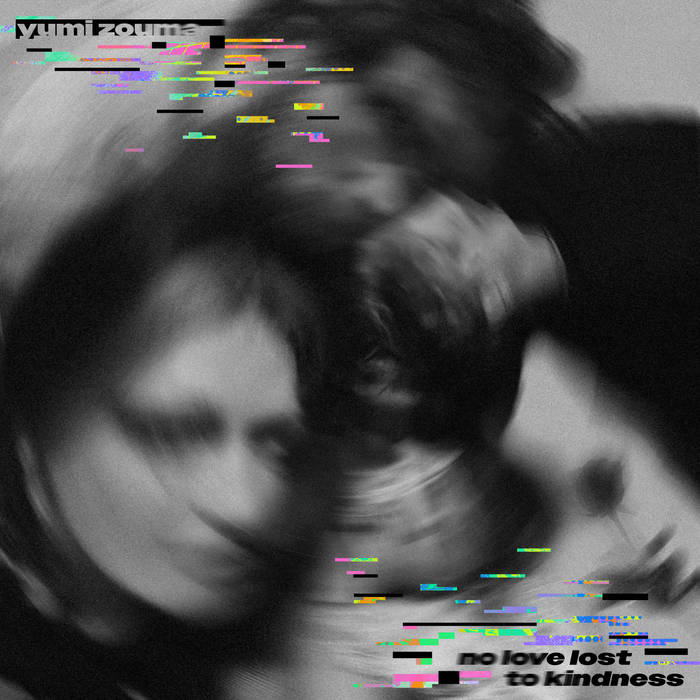
From Christchurch, New Zealand, Yumi Zouma return with No Love Lost to Kindness, their fifth studio album, set for release on January 30, 2026 via Nettwerk Records. The record marks a significant moment in the band’s evolution, capturing a group willing to push beyond comfort and into sharper, heavier emotional terrain, while preserving the melodic instinct that has always defined their sound.
Yumi Zouma is Christie Simpson, Josh Burgess, Charlie Ryder, and Olivia Campion. Since forming in 2014, the quartet have steadily carved out a distinctive space between indie pop, art pop, and indie rock. They first gained attention through an unconventional approach to collaboration, composing and exchanging files remotely while living in different parts of the world. That distance shaped their early identity and helped build an international fanbase long before extensive touring brought them together physically. Over time, that shift from separation to shared space has reshaped both their process and their sound.
No Love Lost to Kindness reflects that transformation clearly. While melody remains central, the album leans into a more raw and confrontational aesthetic. Guitars are heavier, synths take on a harsher, industrial edge, and rhythms feel more forceful and grounded. There is a sense of friction throughout the record, as if the band are deliberately testing their own boundaries, allowing tension and weight to coexist with accessibility.
One of the most striking examples of this direction is Drag, a track shaped by grunge influence and surging electronic textures. Built around a powerful escalation, the song explores singer Christie Simpson’s personal experience following an ADHD diagnosis, grounding the album’s sonic intensity in vulnerability and self-examination. It stands as a clear statement of intent, signalling that this record is willing to engage directly with lived experience rather than abstraction.
Other tracks released ahead of the album underline its range. Cross My Heart and Hope To Die, Blister, and Bashville on the Sugar each reveal different facets of the record’s darker tone, balancing immediacy with depth. In contrast, Phoebe’s Song leans into nostalgia, foregrounding guitar textures and a softer emotional palette, offering moments of reflection amid the album’s heavier currents.
What gives No Love Lost to Kindness its strength is the way these elements are held together. The album does not abandon Yumi Zouma’s melodic clarity, but reframes it within a sound that feels denser and more physical. The result is music that feels emotionally urgent without becoming overwrought, confident without losing sensitivity.
As a fifth studio album, No Love Lost to Kindness feels less like reinvention and more like deepening. It captures Yumi Zouma as a band comfortable with evolution, unafraid to let abrasion sit alongside beauty. The record reflects growth shaped by time, distance, reconnection, and personal reckoning, all filtered through a shared musical language.
With this release, Yumi Zouma reaffirm their place in the contemporary indie landscape as a band still in motion. No Love Lost to Kindness is an album that carries weight without sacrificing warmth, and one that lingers precisely because it refuses to smooth over complexity.
© Thusblog