

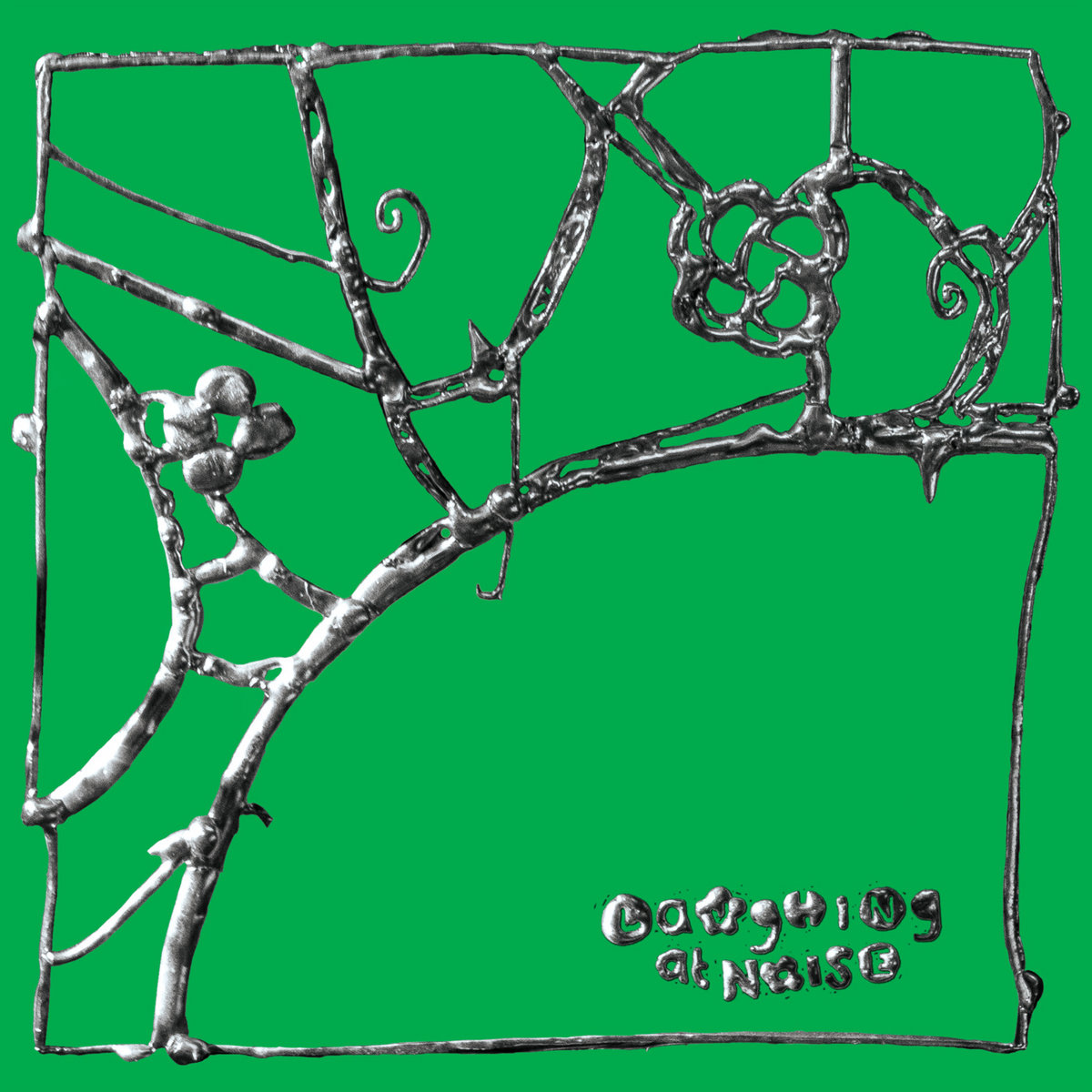
Bodywash - Laughing at Noise
Alternative Rock / Indie Rock / Shoegaze / Dream Pop – Montreal, Canada – November 20, 2026 – Light Organ Records
For more than a decade, Montreal duo Bodywash have been exploring the relationship between atmosphere, melody and the emotional possibilities of guitar music. Their songs have often existed somewhere between the shimmering textures of dream pop and the more overwhelming intensity of shoegaze, creating expansive arrangements in which delicate vocals drift through layers of synthesizers and heavily processed guitars.
With their third album, Laughing at Noise, released on November 20, 2026, through Light Organ Records, Rosie Long Decter and Chris Steward take a noticeably different approach. The ten compositions reveal a growing interest in direct songwriting, organic instrumentation and the imperfect beauty of alternative rock.
There is a greater sense of immediacy to the music, accompanied by lyrics that reflect the complicated realities of adulthood, changing relationships and the transformation of the city the musicians call home.
Bodywash began in Montreal during the mid-2010s, when Long Decter and Steward met while studying at university. Their first musical experiments took place in a rehearsal room in the basement of a student residence, where they discovered a shared appreciation for atmospheric guitar music despite coming from rather different musical backgrounds.
Rosie grew up listening to Canadian folk and indie rock, with artists such as Joni Mitchell, Neil Young and Sarah Harmer helping shape her melodic instincts. Chris, originally from London, brought a stronger connection to British independent rock, particularly bands including Bloc Party and Franz Ferdinand.
Their interests eventually converged around the immersive guitar sounds of shoegaze and the softer, more contemplative qualities of dream pop.
After releasing a self-titled EP in 2016, Bodywash introduced their first full-length album, Comforter, in August 2019. Its combination of atmospheric synthesizers, effects-heavy guitars and intimate vocals established the foundations of their musical identity.
Their second album, I Held the Shape While I Could, followed in April 2023, presenting more elaborate arrangements and a deeper exploration of personal uncertainty.
The record was partly shaped by difficult circumstances, particularly immigration-related complications that forced Steward to leave Canada temporarily. With the duo working across geographical distance, the songs became closely connected to feelings of displacement, instability and the search for belonging.
Those experiences remain an important part of Bodywash's history, but Laughing at Noise finds the musicians approaching their lives and surroundings from a different perspective.
Recorded over approximately a year at Autoland Audio in Montreal's Parc-Extension neighbourhood, the album was written and produced by the duo, mixed by Asher Gould-Murtagh and mastered by Heather Kirby.
Drummer Ryan White contributes to several tracks, while Markus Stahl provides violin arrangements on the opening song, “Turn In.”
The most significant change lies in the songwriting process itself.
Steward began working more frequently with acoustic guitar, while Long Decter increasingly developed ideas on guitar and bass rather than keyboards. This shift encouraged arrangements that feel more physical and spontaneous, allowing the musicians to embrace a rougher sound without abandoning their appreciation for atmosphere.
There are echoes of the alternative rock underground of the 1990s, particularly the introspective songwriting of Elliott Smith, the uncompromising guitar textures associated with Kim Gordon, and the understated, occasionally fragile character of bands such as Duster and Eric's Trip.
These influences provide an interesting foundation for a record that remains unmistakably connected to Bodywash's earlier work.
The album opens with “Turn In,” introducing its reflective atmosphere through Steward's vocals, luminous guitars and violin arrangements. The combination creates a sense of warmth tinged with melancholy, establishing the record's interest in the passage of time and the personal decisions that accompany it.
“Widow's Peak” follows with a more forceful approach, bringing heavier guitars and a stronger rhythmic drive into the picture.
Long Decter's lyrics explore the choices facing friends as they grow older, from deciding where to live and maintaining relationships to confronting broader questions about personal values and responsibility.
The song also touches on the housing crisis and difficulties surrounding access to healthcare, connecting individual experiences with the social pressures shaping contemporary urban life.
These concerns are particularly relevant in Montreal, a city whose independent cultural communities have been affected by rising rents, changing neighbourhoods and the gradual disappearance of affordable creative spaces.
For Bodywash, these transformations are closely connected to their own experiences.
Montreal is the place where the duo developed their musical partnership, built relationships and became part of a wider artistic community. Watching familiar surroundings change inevitably raises questions about belonging and the future.
That relationship with the city is explored from another angle on “Lapsang,” a more delicate composition whose title refers to Lapsang Souchong, the smoky Chinese tea favoured by Steward.
The song reflects on the small frustrations and contradictions of everyday life in Montreal, balancing affection for the city with an awareness of its difficulties.
Musically, it introduces a gentler atmosphere, allowing the duo's dreamier instincts to emerge within the album's more guitar-oriented arrangements.
“Come and Go” brings a livelier energy, with bright guitars and an engaging rhythm that recalls the immediacy of classic alternative rock. Its more direct approach provides a welcome change of pace, demonstrating how comfortably Bodywash can move between introspection and melodic momentum.
On “Like a Bell” and “Pinup,” the musicians continue exploring this expanded instrumental palette, alternating quieter passages with more heavily distorted guitar arrangements.
The contrast gives the songs a natural sense of movement, allowing changes in intensity to develop without relying on the elaborate studio layering that characterised some of their earlier recordings.
“La Renommée” introduces another dimension to the album's storytelling, contributing to its broader exploration of personal experience and the changing circumstances of adult life.
The more introspective “A Sticker That's Peeling” follows a similarly reflective direction, while “Bliss” returns to denser electric textures, reminding listeners that Bodywash have retained their affection for the immersive guitar sounds associated with shoegaze.
The album concludes with “Overpass,” a composition that brings together several of its central themes.
Long Decter reflects on memory, ageing and the passage of time through images of Montreal's urban landscape. Familiar surroundings become reminders of personal history, while the changing city provides a setting for considering how our understanding of places evolves as we grow older.
It is an appropriate conclusion to an album so closely concerned with the relationship between individual lives and the environments in which they unfold.
One of the most appealing qualities of Laughing at Noise is the way its musical evolution reflects the subjects explored in the lyrics.
The arrangements feel more grounded and immediate, matching songs that are increasingly interested in everyday experiences rather than abstract emotional landscapes.
There is still plenty of atmosphere, particularly in the interaction between the two voices and the occasional waves of distorted guitar. However, the duo now allow their compositions more space to develop through relatively straightforward instrumentation.
The production also plays an important role in this transformation.
By preserving certain rough edges and avoiding excessive refinement, Bodywash give the performances a sense of closeness that suits the record's personal character.
The guitars can sound abrasive, the rhythms occasionally feel loose, and the melodies emerge naturally from the arrangements. These qualities contribute to an album that feels expressive and alive.
The relationship between Long Decter and Steward remains central to the music.
Their contrasting backgrounds and complementary voices have always been important elements of Bodywash's identity, and their decade of collaboration is reflected in the confidence with which they approach these new compositions.
There is also something particularly engaging about hearing a band evolve without abandoning the musical qualities that first made it appealing.
The atmospheric textures and emotional sensitivity associated with Bodywash's earlier albums remain present, but they now exist alongside a more pronounced appreciation for the directness of traditional indie rock.
With Laughing at Noise, Bodywash have created a thoughtful and engaging third album that explores adulthood, memory and the changing character of Montreal through a beautifully balanced mixture of indie rock, shoegaze and dream pop.
Its ten songs reveal a duo increasingly comfortable with simplicity, allowing expressive melodies, textured guitars and personal observations to carry the music.
The album's charm lies partly in its imperfections, which give the arrangements a warmth and spontaneity that complement the emotional honesty of the songwriting.
For listeners who appreciate the atmospheric side of alternative rock but also enjoy the more intimate qualities of 1990s independent guitar music, Laughing at Noise offers plenty to discover.
A sensitive, rewarding record whose quieter details and emotional depth become increasingly apparent with repeated listening.
© Thusblog