

Rocket Rules Map Emotional Orbits on Dearden’s Number
From Melbourne, Australia, Rocket Rules deepen their sonic identity with Dearden’s Number, an eight-track album released on January 23, 2026. The record unfolds as a cohesive and immersive journey through indie rock and shoegaze, balancing melodic clarity with soft-focus haze and emotional restraint.
Dearden’s Number feels carefully paced and intentionally shaped. Rather than chasing immediacy, Rocket Rules allow the album to breathe, letting each track contribute to a broader emotional arc. There is a sense of continuity running through the record, as if the songs are chapters within the same interior landscape, connected by texture, tone, and mood rather than sharp contrasts.
At the heart of the album is Baxter, who handles songwriting, instruments, and backing vocals. His approach gives the record a strong sense of cohesion, anchoring it in recurring melodic ideas and guitar textures that evolve subtly from track to track. Rachael’s vocals provide the emotional focal point, floating gently above the instrumentation with warmth and intimacy. Her presence brings a human clarity to the album, cutting through the layers without overpowering them.
Sonically, Dearden’s Number occupies the space between indie rock directness and shoegaze immersion. Guitars shimmer, swell, and dissolve, sometimes drifting into dense, blurred textures, other times pulling back to reveal clean melodic lines. The rhythm section remains understated but purposeful, guiding the album forward without urgency, reinforcing its reflective pace.
The album’s production is central to its impact. Mixed and mastered by Vit and Derrick, Dearden’s Number maintains a sense of air and balance throughout its eight tracks. Even at its most saturated, the sound never collapses into noise. Each element feels carefully placed, allowing atmosphere and melody to coexist without competing for attention. This clarity invites repeat listens, where details gradually emerge rather than announcing themselves immediately.
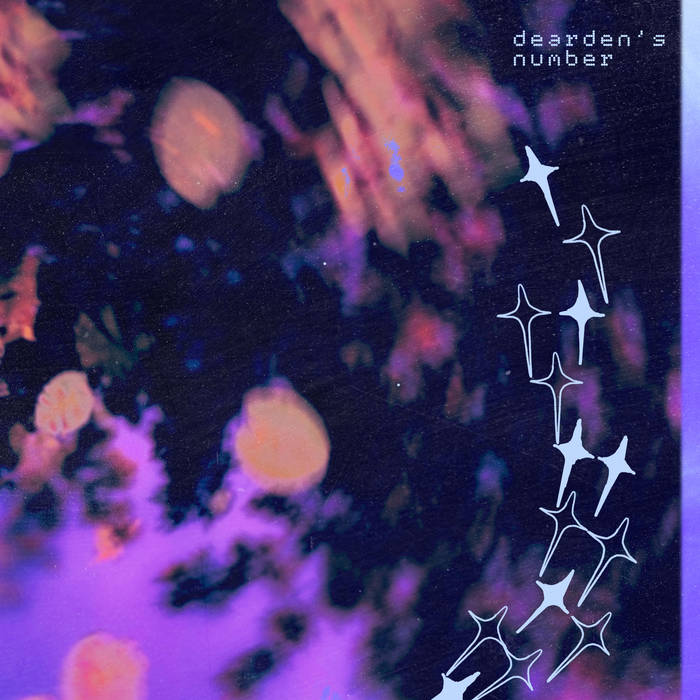
Visually, the album is complemented by artwork from Sab, whose contribution aligns closely with the record’s emotional tone. The visuals echo the album’s sense of introspection and restraint, reinforcing the idea of Dearden’s Number as a unified artistic statement rather than a collection of disparate songs.
Emotionally, the album thrives on suggestion rather than explanation. Rocket Rules resist overt dramatics, trusting ambiguity to do the work. The songs feel open-ended, leaving space for listeners to project their own experiences onto the music. This emotional openness is one of the album’s strengths, giving it a lingering quality that extends beyond its runtime.
Within Melbourne’s fertile indie and shoegaze landscape, Dearden’s Number stands as a confident and fully realised album. It demonstrates a band comfortable with patience, texture, and emotional coherence, unafraid to let mood and melody carry meaning. Rocket Rules do not rush their ideas; they allow them to unfold naturally, creating a record that rewards attention and time.
Dearden’s Number is an album that settles in slowly, revealing itself through repeated listening. It is reflective without being static, immersive without excess, and marks a significant step forward for Rocket Rules as album-level storytellers working in sound rather than spectacle.
© Thusblog