
Sidewave - Dispel
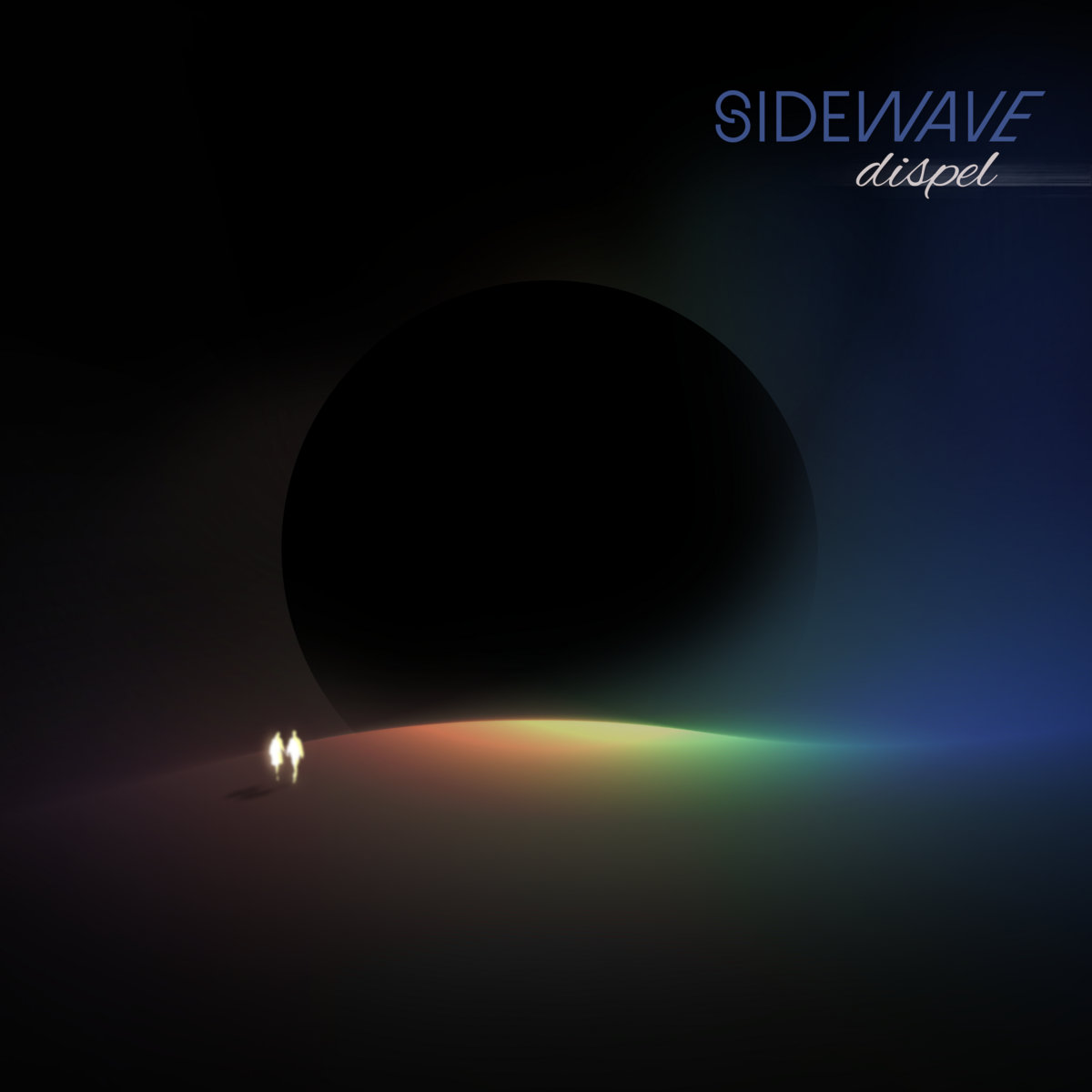
Sometimes, discovering a great album comes down to looking beyond its cover. I very nearly overlooked Dispel, the third full-length release from Sidewave, simply because its artwork failed to capture my attention. Nothing about the image immediately suggested the kind of music I might enjoy, and I was tempted to move on without listening. Fortunately, curiosity prevailed, revealing an album filled with towering guitars, atmospheric melodies and the kind of emotional intensity that makes alternative rock so compelling.
Released on October 23, 2026, Dispel marks the return of the Denver, Colorado-based project after a seven-year absence. Led by singer, guitarist and songwriter Phil Golyshko, Sidewave occupy a fascinating space between post-grunge, shoegaze, alternative rock and space rock, combining the muscular guitar sound of the 1990s with expansive, dreamlike arrangements.
The project's origins stretch back to San Francisco before moving to Los Angeles, where Sidewave developed into a full band, and eventually settling in Denver. Their previous albums, Glass Giant (2015) and Ultraviolet (2019), established a musical identity influenced by bands such as Hum, Failure, Shiner and The Smashing Pumpkins, particularly the dense yet melodic guitar textures of the Siamese Dream era.
Those influences remain recognisable on Dispel, but Sidewave approach them with a strong sense of atmosphere and emotional depth. Rather than simply revisiting the golden age of American alternative rock, the band expand its familiar characteristics into something more immersive, where heavy riffs coexist with delicate melodies and moments of almost weightless beauty.
The album's lengthy development reflects the changing circumstances of Golyshko's life. Family responsibilities, the pandemic and limited opportunities to concentrate on music meant that the nine compositions gradually took shape over several years, beginning in 2020. That extended creative process has resulted in a record whose arrangements reveal considerable attention to detail.
For Dispel, Golyshko handles vocals, guitars and synthesizers, accompanied by Brandon Dickert on drums and Matt Russell on bass. The album was mixed by Mario Quintero, known for his work with Spotlights, and mastered by Dereck Blackburn at Quiethouse Recording.
Musically, the album thrives on contrasts. Thick, distorted guitars create an imposing foundation, while Golyshko's softer, melancholic vocals introduce a sense of vulnerability. The arrangements frequently move between atmospheric passages and powerful instrumental surges, maintaining a balance between the physical impact of post-grunge and the enveloping qualities of shoegaze.
The remarkable depth of these compositions becomes particularly apparent in “Big Whisper,” which reportedly features more than sixteen layers of guitars. Despite that density, the song retains an uplifting melodic character, reflecting its lyrical message about encouraging loved ones to pursue their ambitions and personal aspirations.
Opening track “Tempest Mirage” explores childhood memories and the impossible desire to experience the world again through younger eyes. Its nostalgic perspective introduces one of the album's recurring themes: the passage of time and our complicated relationship with experiences that can never truly be recovered.
“The Surface” reveals another side of Sidewave's sound, combining substantial guitar riffs with atmospheric passages and rising instrumental intensity. The song's underlying desire to escape ordinary limitations reflects the band's fascination with distance, possibility and the search for something beyond everyday existence.
The more expansive qualities of the album are also illustrated by “Let the Stars Turn to Dust,” whose introduction incorporates seven E-Bow guitar parts alongside three synthesizers. This intricate layering demonstrates Golyshko's interest in creating sonic environments rather than simply building conventional guitar arrangements.
Throughout its nine tracks, Dispel explores nostalgia, love, personal ambition and the human fascination with the unknown. These themes are reinforced by the music's spacious production, where guitars seem to stretch towards distant horizons before returning with considerable force.
Interestingly, the artwork that initially discouraged me from investigating the album has a meaning closely connected to these ideas. Created by Golyshko himself, it depicts small figures travelling through an immense cosmic landscape, reflecting the contrast between the limitations of human existence and our endless curiosity about the universe.
Understanding that concept certainly gives the illustration greater significance, although I still feel it does little to communicate the sheer musical power waiting inside.
What ultimately makes Dispel so rewarding is Sidewave's ability to combine the nostalgic appeal of 1990s alternative rock with a more contemporary shoegaze sensibility. The guitars are substantial without sacrificing melody, the production is expansive without becoming overwhelming, and the emotional character of the songs remains present beneath their considerable instrumental weight.
Seven years after Ultraviolet, Sidewave return with an album that deserves attention from anyone who appreciates the meeting point between Hum's muscular alternative rock, Failure's atmospheric intensity and the shimmering textures of modern shoegaze.
And to think I almost missed it because of the cover.
Dispel is a timely reminder that the most rewarding musical discoveries do not always announce themselves through striking artwork. Sometimes, the real beauty only becomes apparent when you press play.
© Thusblog