

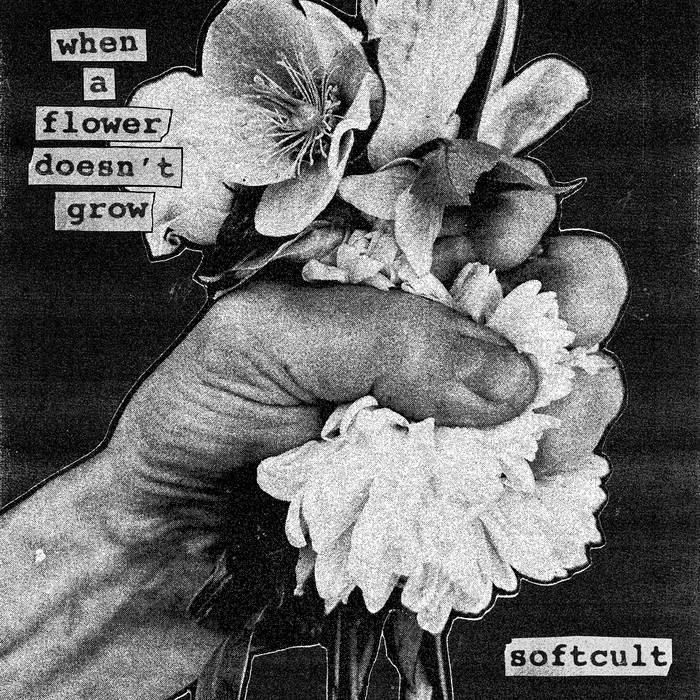
Softcult Reclaim Growth by Changing the Ground on When A Flower Doesn’t Grow
From Kitchener, Ontario, Softcult return with When A Flower Doesn’t Grow, released on January 30, 2026, an album that sharpens the duo’s political and emotional focus while deepening their sonic weight. Working at the intersection of indie rock and shoegaze, Phoenix and Mercedes Arn-Horn channel personal upheaval into a record that confronts the conditions that shape us, asking not how to endure, but what must change for growth to become possible.
Softcult is formed by twin sisters Phoenix Arn-Horn and Mercedes Arn-Horn, artists long recognised for blending grunge abrasion, shoegaze haze, alternative rock urgency, and riot grrrl spirit into a language that is both confrontational and reflective. On When A Flower Doesn’t Grow, that blend feels fully realised, carrying the confidence of artists unafraid to sit with discomfort and speak plainly about it.
The album is born from a period of deep personal reckoning and transformation. Rather than presenting growth as an individual achievement, Softcult frame it as a collective and environmental issue. The title draws from a quote by Alexander Den Heijer, “When a flower doesn’t grow, you change the environment in which it grows, not the flower itself,” a philosophy that runs through the record’s core. The songs explore cycles of abuse, the pressure to conform, and the quiet violence of oppressive systems, while also carving out space for self-discovery and release.
Musically, When A Flower Doesn’t Grow balances heaviness and clarity with intent. Fuzzed guitars swell and scrape, layered with shoegaze textures that soften edges without dulling impact. There is a palpable grunge nostalgia in the tone, but it is reframed through a modern lens, where distortion becomes a tool for emphasis rather than excess. The rhythms feel grounded and insistent, supporting melodies that remain immediate even as they are wrapped in haze.
Lyrically, the album is unflinching. Softcult’s writing remains raw and introspective, refusing metaphor when directness feels necessary. Vulnerability is not presented as weakness, but as a method of resistance, a way to dismantle imposed narratives and reclaim agency. The sisters’ voices move between confrontation and intimacy, reinforcing the album’s tension between anger and hope.
What gives When A Flower Doesn’t Grow its strength is cohesion of purpose. The themes are not scattered across isolated tracks but woven into a unified statement. Each song feels like another angle on the same question: what happens when people are blamed for failing to thrive in environments designed to restrict them? The album does not offer easy answers, but it does insist on accountability beyond the self.
Within Softcult’s evolving catalogue, this release feels like a defining moment. It captures a duo that has sharpened both sound and message, aligning musical force with thematic clarity. The shoegaze elements provide atmosphere, the grunge influence supplies grit, and the riot grrrl lineage fuels the record’s refusal to soften its critique.
When A Flower Doesn’t Grow stands as an album of resilience, not the quiet kind, but the kind that demands change. It is a record that understands growth as a political act as much as a personal one, pairing enveloping riffs with uncompromising honesty. Softcult do not ask to be nurtured within a broken system; they call for the system itself to be transformed.
© Thusblog