
Turnover Reflect on Growth and Change on Down On Earth
Few bands in modern American alternative music have undergone a transformation as remarkable as Turnover. Formed in Virginia Beach, Virginia, in 2009, the group first emerged from the early 2010s emo and pop punk scene, earning attention through energetic songwriting and emotionally charged performances. Over time, however, Turnover gradually evolved beyond those roots, embracing dream pop, shoegaze, indie rock and atmospheric psychedelia while maintaining the emotional honesty that had always been at the heart of their music.
That evolution has become one of the defining stories of the band's career. While many artists struggle to reinvent themselves without alienating their audience, Turnover have consistently managed to expand their sound while preserving a recognizable identity. Their landmark 2015 album Peripheral Vision remains one of the most influential indie records of the past decade, serving as the pivotal moment when the band fully embraced a more immersive and melancholic direction.
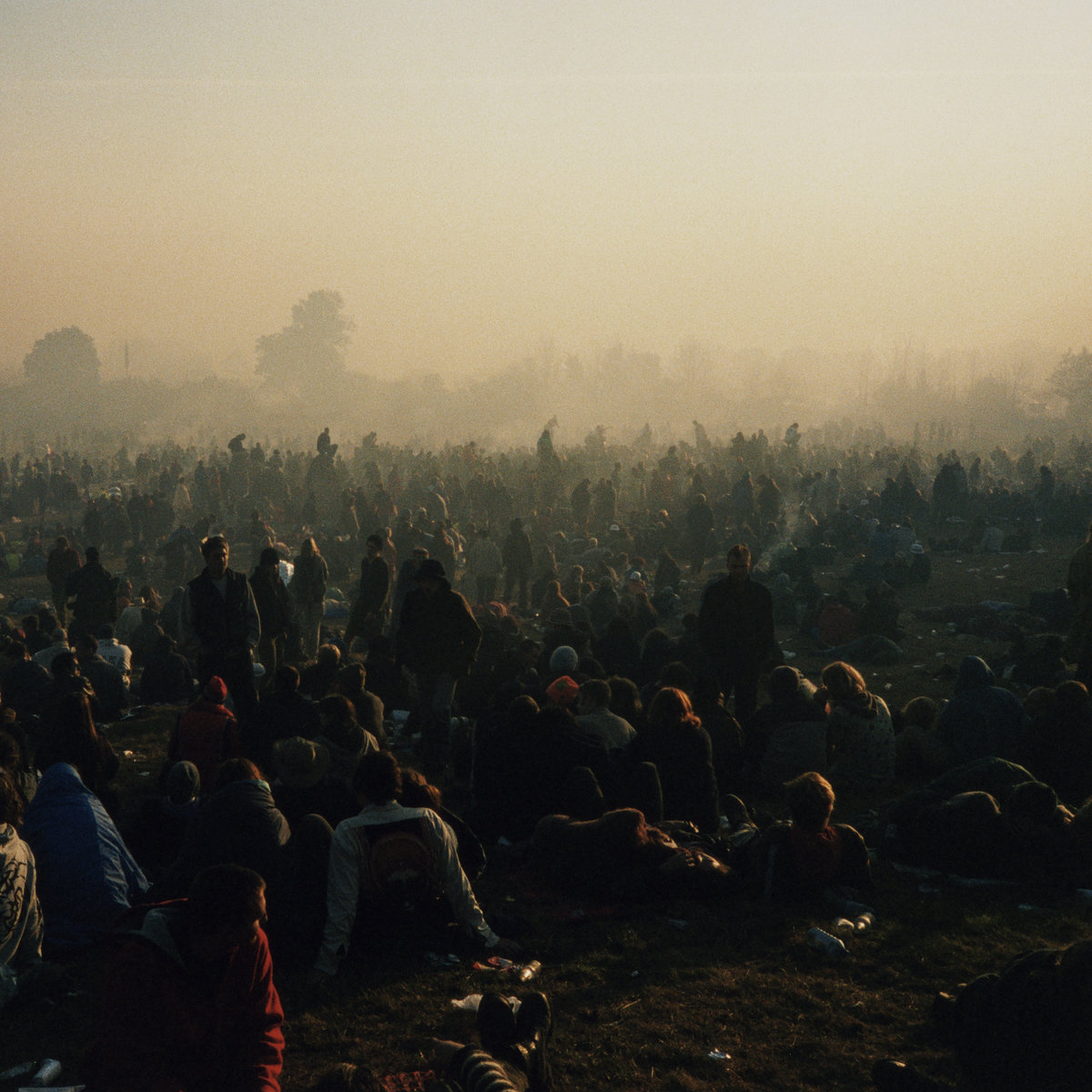
Released on May 28, 2026, Down On Earth finds Turnover entering yet another chapter. As the band's sixth studio album, it carries particular significance because it is their first release issued entirely independently following many years with Run For Cover Records. Taking full ownership of their music and creative process gives the album an added sense of purpose, making it feel like both an artistic statement and a declaration of independence.
The current lineup of Austin Getz, Casey Getz, Danny Dempsey and Nick Rayfield approach this new phase with a confidence that can only come from years of growth and experimentation.
Produced, recorded and mixed by Zac Montez at Earth Analog Studio, Down On Earth deliberately avoids excessive polish in favour of warmth, intimacy and natural performances. The production allows the songs to breathe, creating an atmosphere that feels immediate and human rather than meticulously perfected. It is a sound that recalls some of the band's most beloved work while continuing the sonic exploration that has defined their recent releases.
Musically, the album drifts comfortably between indie rock, dream pop, alternative rock and subtle shoegaze textures. Rather than relying on dramatic climaxes or oversized choruses, Turnover focus on mood, detail and emotional nuance. The result is a record that rewards patience, inviting listeners into its world gradually rather than demanding immediate attention.
Early singles Nightjar and I See You and Realize provide an excellent introduction to the album's overall character. Both songs highlight the band's ability to create atmosphere through understated arrangements, delicate melodies and carefully layered instrumentation. The emphasis throughout remains on feeling rather than spectacle.
Lyrically, Down On Earth explores themes that feel increasingly relevant as the band members move further into adulthood. Time, love, loneliness, mortality and the search for meaning all emerge throughout the record. These are not the urgent emotional wounds that shaped Turnover's earliest material. Instead, they are reflections viewed through the lens of experience, maturity and acceptance.
This shift gives the album a distinctly contemplative quality. Where earlier releases often captured the turbulence and uncertainty of youth, Down On Earth feels more like a quiet conversation about what comes afterward. The songs move patiently, allowing emotions to unfold naturally rather than forcing dramatic resolutions.
There is also a noticeable freedom running through the record. Turnover seem less interested than ever in fitting neatly into a specific genre. Elements of dream pop, indie rock, shoegaze and alternative music blend seamlessly together, not as stylistic exercises but as tools used in service of atmosphere and emotion. The band appear fully comfortable following wherever the songs lead them.
Perhaps the most impressive aspect of Down On Earth is how naturally it fits within Turnover's broader catalogue. Despite the many stylistic shifts the group have undergone over the years, there remains a gentle melancholy running through their music that has become unmistakably their own. That quality is present here in abundance, tying the album to everything that came before while still allowing it to stand on its own.
With Down On Earth, Turnover continue one of the most fascinating artistic journeys in contemporary American indie rock. It is the work of a band that has spent more than a decade evolving, experimenting and refining its voice without ever losing sight of its emotional core.
A warm, reflective and beautifully crafted album that finds Turnover embracing maturity while remaining true to the floating melancholy that has defined them from the beginning.
© Thusblog
Listen on Qobuz (Hi-res 24 bit)