
Blackwater Holylight Drift Between Weight and Ruin on Not Here Not Gone
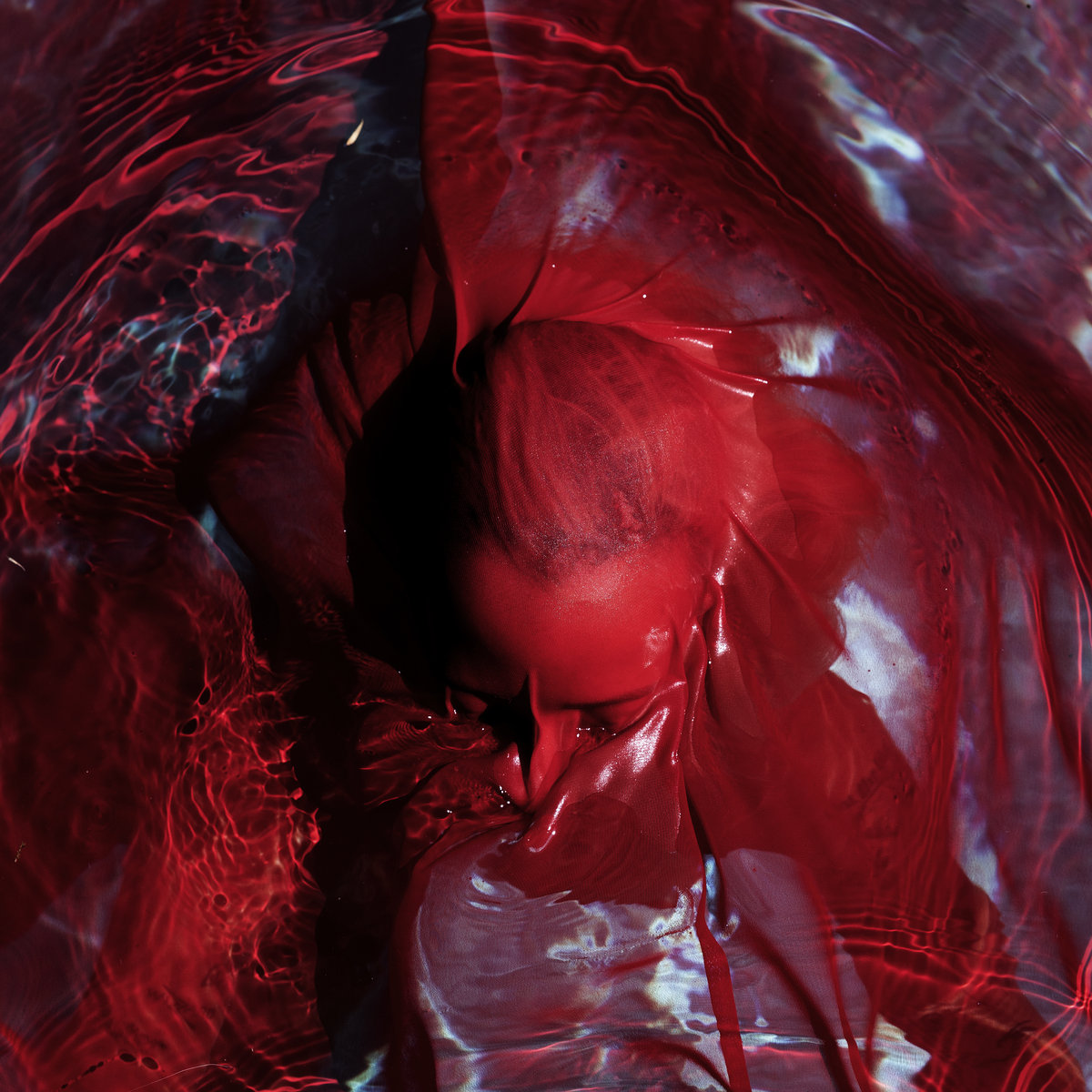
Portland-born quartet Blackwater Holylight continue to expand their dark and immersive sonic universe with Not Here Not Gone, released January 30, 2026 via Suicide Squeeze Records. Their fourth full-length album feels like a transition record in the deepest sense of the word. Not simply a new chapter musically, but an album shaped by physical movement, emotional displacement and the strange psychological space that exists between leaving somewhere and still carrying it inside you.
Originally formed in Portland before relocating to Los Angeles, the band channel that feeling of uprooting directly into the atmosphere of the record. Not Here Not Gone constantly moves between heaviness and fragility, destruction and reflection, as if the music itself is trying to process the emotional aftermath of change.
Although often placed under the umbrella of indie rock, the album stretches far beyond one genre. Blackwater Holylight continue to blur together shoegaze, doom rock, psychedelic rock, stoner influences and melancholic indie textures into something deeply cinematic and emotionally dense. Massive walls of distortion sit beside dreamlike passages filled with drifting synths, ethereal vocals and moments of near silence.
At the center of the band are Sunny Faris on vocals, guitar and bass, alongside Mikayla Mayhew on bass and guitar, Eliese Dorsay on drums and Sarah McKenna contributing synth work throughout the album. The record also features violinist Camille Getz and an appearance from David Sitek on the instrumental track Giraffe.
What immediately stands out on Not Here Not Gone is its emotional scale. This is a record that feels physically large. The guitars arrive in enormous waves, dense enough to feel almost architectural, while the rhythm section creates a constant sense of movement underneath the haze. Yet despite its heaviness, the album never loses its emotional clarity.
Themes of displacement, loss, rebuilding and emotional fragmentation run throughout the record. The title itself perfectly captures the album’s central tension. To no longer belong somewhere physically while still remaining emotionally tied to it. That feeling hangs over nearly every song.
Tracks like Bodies, Spades and Poppyfields lean furthest into the band’s heavier instincts. Doom-laden riffs move slowly and hypnotically, pulling the listener into dense sonic fog where repetition becomes emotional pressure. The weight of these songs feels almost physical at times, but Blackwater Holylight understand exactly how to balance heaviness with atmosphere.
Elsewhere, songs like How Will You Feel, Heavy, Why? and Fade allow more space for shoegaze textures and melodic fragility to emerge. Sunny Faris’ vocals drift through these tracks like distant memories, never dominating the music but becoming part of the emotional current flowing underneath everything.
Poppyfields stands as one of the album’s defining moments. Inspired partly by the devastation caused by California wildfires, the track combines cinematic synth work, blast-beat intensity and guitars that occasionally brush against atmospheric black metal territory. The result feels chaotic and emotionally overwhelming without losing focus. A song that captures destruction not just physically, but psychologically.
The production, handled by Sonny Diperri at the legendary Sonic Ranch studio in Texas, gives the album much of its depth and dimensionality. Diperri, known for his work with DIIV, Narrow Head and Emma Ruth Rundle, emphasizes contrast throughout the record. Thick fuzz collides with floating synths, organic drums cut through towering layers of reverb and every instrument feels surrounded by enormous physical space.
There is also something deeply cinematic about the way Not Here Not Gone unfolds. The album rarely rushes toward resolution. Instead, it allows tension to build gradually, creating long emotional arcs that feel immersive rather than immediate. The songs often seem suspended between collapse and transcendence.
What makes the album especially compelling is how naturally Blackwater Holylight merge opposing forces together. Doom heaviness and dream pop fragility. Shoegaze haze and post-metal intensity. Urban isolation and spiritual release. Nothing feels forced or stitched together artificially. The record breathes as one continuous emotional landscape.
Compared to earlier releases, Not Here Not Gone feels broader and more emotionally exposed. The band retain the heaviness and hypnotic pull that defined their earlier work, but they now allow more vulnerability and atmosphere into the frame. The result is their most expansive and emotionally resonant record to date.
With Not Here Not Gone, Blackwater Holylight deliver a dense, immersive and deeply melancholic album that captures the feeling of existing between places, identities and emotional states.
A towering blend of shoegaze, doom, psych rock and emotional disintegration that lingers long after the final notes disappear.
One of the most absorbing heavy records of 2026 so far.
© Thusblog