
Wildernesses Turn Memory and Anxiety Into Towering Post-Gaze on Growth
Emerging from London’s alternative underground, Wildernesses have quietly become one of the most emotionally resonant new names operating between shoegaze, post-rock and atmospheric indie music. Formed by members of projects such as We Never Learned to Live, Earth Moves and Late Night Fiction, the group channel years of experience into something deeply immersive and unmistakably human.
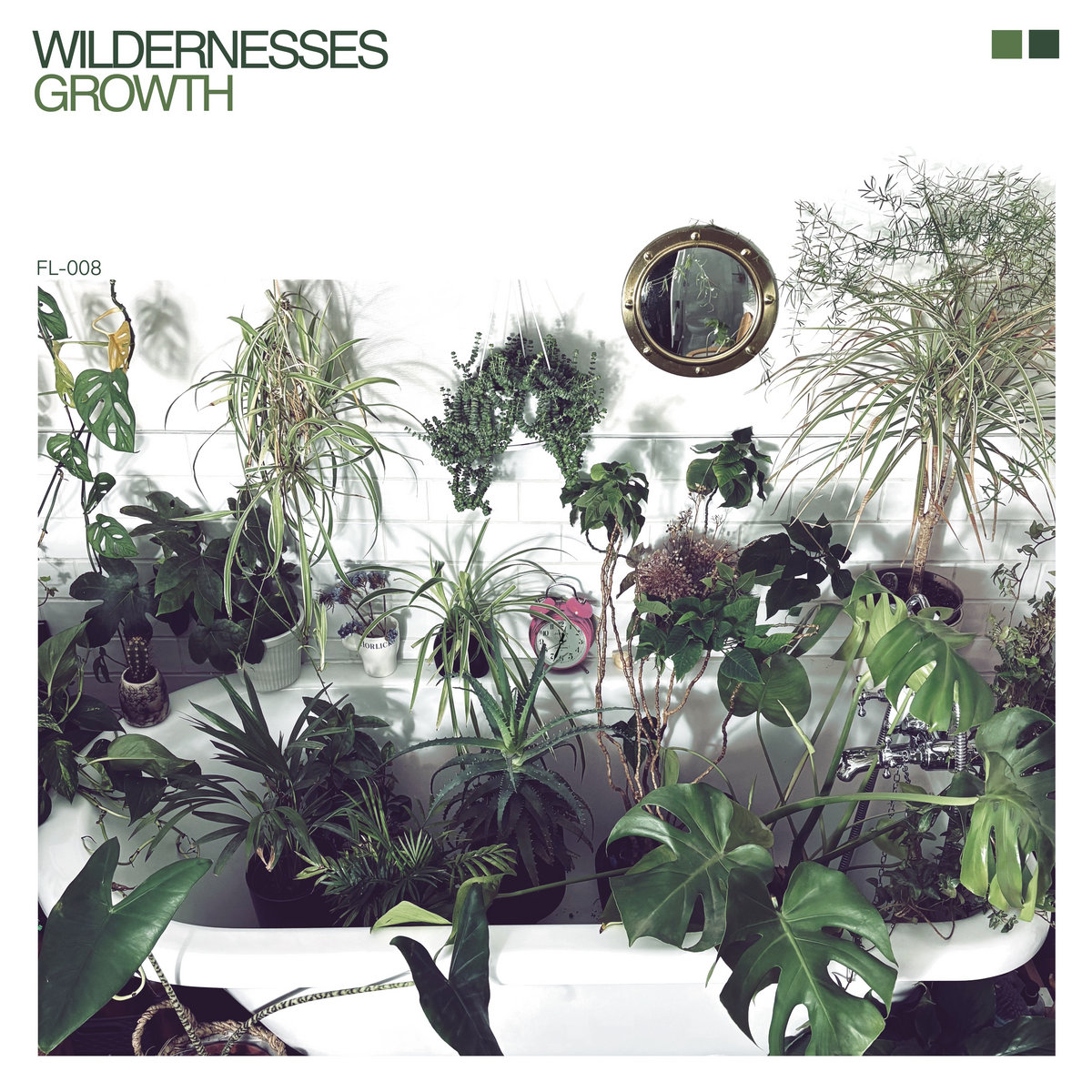
Their debut album Growth, released on March 27, 2026 via Floodlit Recordings, feels less like a traditional record and more like a slow emotional weather system unfolding across nine tracks. The band often describe their sound as “glow and grit,” and that phrase captures the album perfectly. There is beauty here, but it arrives wrapped inside exhaustion, grief, anxiety and fragile hope.
Musically, Wildernesses inhabit a space somewhere between modern shoegaze, cinematic post-rock and introspective indie rock. Huge walls of shimmering guitars rise slowly around deep basslines and patient, powerful drumming, while moments of near silence are allowed to breathe before the music swells again into something massive and overwhelming. The result feels expansive without ever losing emotional intimacy.
At the center of the project is vocalist and guitarist Phillip Morris, whose songwriting draws heavily from lived experience, memory and mental health. Morris also works within the mental health field professionally, and that perspective shapes much of Growth. The lyrics avoid abstraction for abstraction’s sake. Even when poetic, they remain grounded in real emotional landscapes.
One of the album’s defining tracks, [dread.], captures this perfectly. Built around themes of anxiety, emotional suppression and quiet psychological exhaustion, the song explores what Morris describes simply as “the dread.” The parentheses in the title reflect self-minimisation, the habit of convincing yourself you are fine while internal pressure quietly builds beneath the surface.
Lyrically, the track moves between introspection and memory, including vivid references to drinking cheap cans beside the River Humber during the devastating Hull floods of 2007. Flood imagery becomes both literal and metaphorical throughout the song, reflecting emotional overspill and the long-term consequences of suppressing vulnerability under expectations of masculinity and emotional restraint.
Yet despite the heaviness of its themes, [dread.] never collapses into hopelessness. Instead, it leans toward acceptance, inspired partly by Acceptance and Commitment Therapy techniques, even while acknowledging how difficult genuine acceptance can actually be.
Drummer Ryan Browne described the accompanying tour footage video for [dread.] as a reflection of the emotional reality behind the band itself. Anxiety before touring gradually transformed into genuine care, friendship and support between the members. That emotional honesty runs throughout Growth. Even at its darkest, the album feels deeply compassionate.
Elsewhere, tracks like Happy Hollow explore modern loneliness and escapism, while Terrible Bloom dives into desire and emotional instability. Maintenance and English Darkness continue the band’s fascination with memory, hidden emotional histories and psychological vulnerability. Four Hour Drive, one of the group’s earliest breakthrough tracks, drew inspiration from a 1957 photograph of Morris’ father and grandfather, transforming inherited family memory into something cinematic and emotionally immediate.
The album closes with Summertime, 1917, one of the most moving pieces on the record. Built around rediscovered World War I love letters, the song feels ghostlike and reflective, connecting personal intimacy across generations and time itself. It is a stunning conclusion to a record obsessed with memory, absence and emotional inheritance.
Recorded with producer Joe Clayton at NO Studio in Manchester, Growth benefits enormously from its production. Clayton allows the music to remain huge and cinematic while preserving warmth and fragility underneath the towering guitars. The album constantly shifts between glowing post-rock crescendos, slow-burning alternative rock tension and delicate, almost folk-like lyrical intimacy.
Critics have already compared Wildernesses to artists such as Slowdive, Explosions in the Sky and The National, but the group never feel trapped by those references. Their music carries its own emotional weight and identity, shaped less by genre than by atmosphere and lived experience.
What makes Growth particularly powerful is the way it balances heaviness with tenderness. The album understands that anxiety, grief and nostalgia rarely arrive as isolated emotions. They overlap. Blur together. Shift shape constantly. Wildernesses translate that emotional complexity into sound with remarkable sensitivity.
This is not music designed for distraction or passive listening. Growth asks for patience and emotional openness. In return, it offers one of the most immersive and emotionally detailed records to emerge from the UK post-gaze scene in recent years.
With Growth, Wildernesses deliver a debut album filled with towering soundscapes, quiet humanity and an overwhelming sense of emotional truth. A record where memory, anxiety, grief and hope drift together beneath waves of reverb and light.
Like walking through rain-soaked London streets at 2am while old memories flicker against neon reflections in puddles below your feet.
© Thusblog
Listen on Qobuz (Hi-res 24 bits)
Catch Wildernesses live:
Jun 26 - The Black Heart, London (with Million Moons/Civil Service)
Aug 21- Arctangent Festival
Oct 3rd - Crowded Festival, Leicester
WILDERNESSES are:
Phillip Morris - vocals, guitar
Sam Howe - guitar
Mark Portnoi - bass
Ryan Browne - drums